
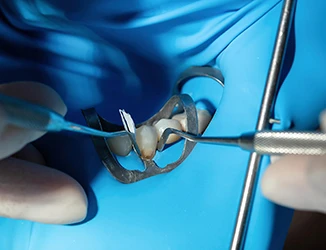
Isolation is an important part of many dental procedures, yet it can sometimes feel like one of the less exciting steps in the process. With advances in restorative materials, adhesive dentistry, and clinical technology, however, controlling the working field remains just as important as ever.
A rubber dam can help create a cleaner, more controlled environment by limiting moisture, improving visibility, and providing protection for both the patient and the dental team. For procedures where a dry, accessible field is essential, proper isolation can make the difference between a complicated workflow and a more predictable one.
What Is Rubber Dam Isolation?
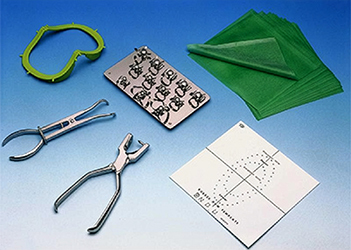
Rubber dam isolation uses a thin sheet of latex or non-latex material to isolate specific teeth from the rest of the oral cavity.
The dam is typically secured using a combination of a clamp, frame, and other isolation instruments. Once positioned, it helps keep saliva and other oral fluids away from the treatment area while also retracting surrounding soft tissue.
The result is a more controlled working field where the clinician can focus on the procedure without constantly managing moisture or soft-tissue interference.
Why Does Isolation Matter?
Moisture Control
Moisture control is one of the primary reasons clinicians use rubber dam isolation.
Saliva, blood, and other fluids can interfere with procedures where a clean, dry field is important. This is particularly relevant when working with adhesive restorative materials, where proper bonding depends on following the manufacturer's recommended technique and maintaining appropriate isolation.
A rubber dam doesn't replace good clinical technique, but it can provide an additional level of control during procedures where contamination needs to be minimized.
Improved Visibility and Access
Isolation can also make it easier to see and access the working area.
By separating the treatment area from the surrounding tissues, the rubber dam can help reduce distractions and keep the tongue, cheeks, and other soft tissues away from the field.
For procedures involving small working areas or difficult-to-reach surfaces, that added visibility can be especially helpful.
Patient Protection
Rubber dam isolation isn't only about making the clinician's job easier.
The dam can also help protect patients by reducing the risk of accidentally swallowing or aspirating small instruments, materials, or debris during certain procedures. It can also help keep dental materials away from surrounding soft tissues.
For patients, creating a clearly defined treatment area can also make the procedure feel more controlled and predictable.
A More Efficient Workflow
Once properly placed, a rubber dam can reduce the need to repeatedly stop and manage saliva or retract soft tissue manually.
That can allow the dental team to concentrate on the procedure rather than continually working around the same environmental challenges.
The setup itself does require practice, but for procedures where isolation is especially important, the investment in establishing a reliable technique can pay off throughout the appointment.
When Is Rubber Dam Isolation Most Useful?
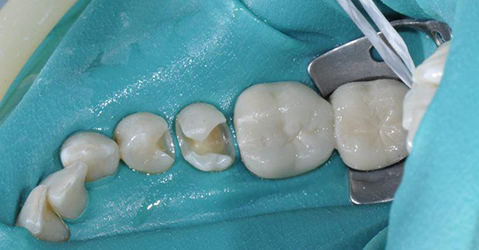
Rubber dam isolation can be used in a variety of clinical situations, but it is particularly valuable when moisture control, visibility, or patient protection are priorities.
Restorative Dentistry
Isolation can be especially useful during adhesive restorative procedures, including composite restorations.
Keeping the working field appropriately isolated can help clinicians follow the recommended bonding and restorative protocols while maintaining access to the tooth.
This is also a natural complement to techniques we've discussed in other DDS articles, including composite placement, sectional matrix systems, and finishing and polishing.
Endodontic Procedures
Rubber dam isolation has long been associated with endodontic treatment.
During root canal procedures, maintaining isolation helps protect the treatment area from contamination while also helping protect the patient from instruments, materials, or debris used during the procedure..
For endodontic procedures, rubber dam isolation is not merely a matter of convenience. It is an important component of creating an appropriate treatment environment.
Adhesive Procedures
Modern adhesive dentistry makes moisture control particularly important.
Bonding systems, cements, and restorative materials have specific application requirements, and contamination can interfere with the intended procedure.
A rubber dam can be one tool clinicians use to help maintain the conditions needed for predictable adhesive procedures.
Choosing the Right Rubber Dam Setup
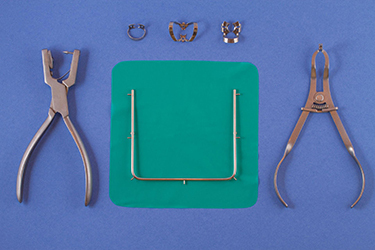
There isn't necessarily one rubber dam setup that works for every patient or procedure. The materials and instruments used may vary depending on the tooth being treated, the patient's anatomy, the procedure, and clinician preference.
Latex vs. Non-Latex
Rubber dams are available in both latex and non-latex materials.
Latex dams are commonly used because of their flexibility and familiar handling characteristics. However, non-latex alternatives provide another option when latex is not appropriate.
Choosing the right material should take the patient's needs and the requirements of the procedure into consideration.
Clamps
Clamps help secure the dam around the tooth being isolated.
Different shapes and designs are available for different teeth and clinical situations. Selecting an appropriate clamp can help establish a secure isolation setup while minimizing unnecessary pressure on surrounding tissues.
Frames
The frame holds the dam away from the patient's face and helps maintain visibility of the working area.
Frames are available in different designs and materials, so clinicians may select an option based on personal preference and the procedure being performed.
Punches and Other Instruments
Rubber dam punches, forceps, and other accessories help with preparation and placement.
Having the appropriate instruments readily available can make the setup process more efficient and consistent.
Tips for a More Efficient Rubber Dam Setup
A predictable isolation technique often comes down to preparation.
A few simple habits can help:
- Have the necessary instruments ready before beginning.
- Choose the appropriate dam and clamp for the case.
- Consider patient comfort when positioning the dam and frame.
- Check the seal around the isolated tooth before starting the procedure.
- Use additional isolation aids when appropriate.
- Follow the manufacturer's instructions for the specific products being used.
As with any clinical technique, familiarity and repetition can make the setup process faster and more comfortable for both the dental team and the patient.
Rubber Dam Isolation and Modern Dentistry
Dental materials and techniques continue to evolve, but the importance of controlling the working environment hasn't disappeared.
If anything, procedures that rely on careful bonding, precise placement, and detailed clinical technique make effective isolation even more relevant.
A rubber dam is a relatively simple tool, but its role extends beyond keeping a tooth dry. It can improve visibility, help protect the patient, support a more efficient workflow, and create a more controlled environment for a variety of procedures.
Final Thoughts
Rubber dam isolation may not be the newest technology in the operatory, but it remains a valuable part of modern dental practice.
Understanding when isolation is beneficial and having the right combination of dams, clamps, frames, and instruments available can help dental teams approach procedures with greater consistency and confidence.
The goal isn't simply to isolate a tooth. It's to create the best possible working environment for the procedure at hand.