
Introduction
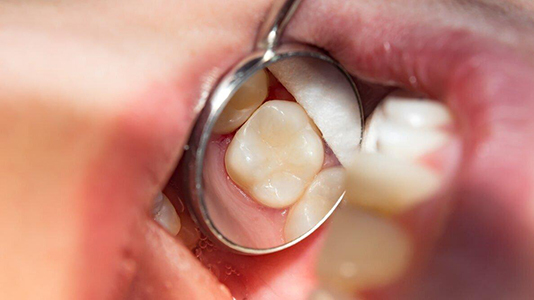
Glass ionomer materials have remained an important part of restorative dentistry for decades due to their fluoride release, chemical adhesion, and moisture tolerance. While traditional glass ionomers were often associated primarily with pediatric or temporary restorations, newer high-strength formulations have expanded their role in modern clinical practice.
Today’s glass hybrid restorative materials are designed to provide improved durability and wear resistance while preserving many of the clinical advantages that made glass ionomers valuable in the first place.
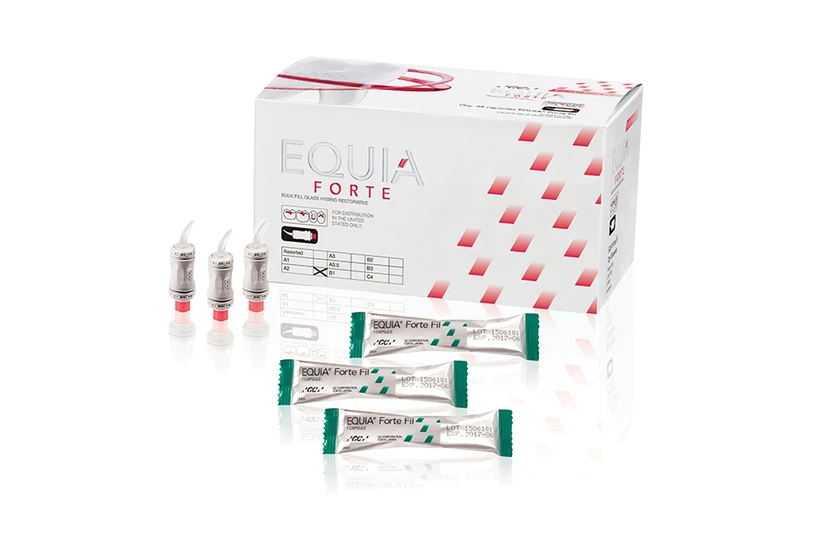
One example is GC Equia Forte Fil, a glass hybrid restorative system developed for efficient placement and long-term clinical performance.
Clinical Snapshot
Clinical Snapshot: High-Strength Glass Ionomers
• Primary Purpose: Fluoride-releasing restorative material
• Common Uses: Pediatric restorations, Class I & small Class II restorations, geriatric dentistry
• Key Advantage: Chemical adhesion and moisture tolerance
• Clinical Goal: Conservative restorations with simplified workflow
• Modern Development: Improved strength through glass hybrid technology
Why Glass Ionomers Still Matter
Despite the popularity of composite materials, glass ionomers continue to offer unique clinical benefits that make them highly relevant in everyday dentistry.
Key advantages include:
- Fluoride release
- Chemical bonding to tooth structure
- Reduced technique sensitivity
- Moisture tolerance compared to composites
- Simplified restorative workflow
These characteristics can be especially valuable in cases where isolation is difficult or patient cooperation is limited.
How Glass Hybrid Technology Improved Performance
Traditional glass ionomers were sometimes limited by lower wear resistance and fracture toughness. Modern glass hybrid systems were developed to address these concerns.
Materials such as GC Equia Forte Fil utilize advanced glass particle technology and highly reactive fillers to improve strength and durability while maintaining fluoride release and adhesion properties.
This evolution has expanded the use of glass ionomers beyond temporary restorations into broader restorative applications.
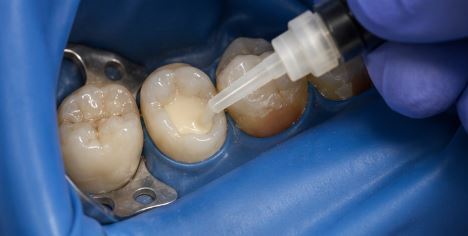
Clinical Example
Glass ionomer materials are commonly used in pediatric dentistry, minimally invasive restorations, and cases where moisture control may be more challenging.
Clinical Applications
Pediatric Restorations
Glass ionomers are frequently used in pediatric dentistry because of their fluoride release and simplified placement.
Geriatric Dentistry
Root caries and cervical lesions in older patients can benefit from materials with chemical adhesion and moisture tolerance.
Minimally Invasive Dentistry
Glass ionomers support conservative preparations and atraumatic restorative approaches.
High Caries-Risk Patients
Fluoride release may provide additional benefits in patients with elevated caries risk.
Chairside Tip
Restorative procedures involving pediatric or high-volume general dentistry often require gloves that balance comfort, flexibility, and dependable protection throughout the clinical day.
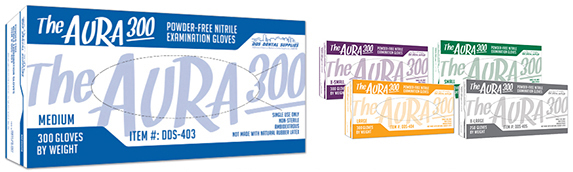
DDS Dental Supplies offers several nitrile glove options, including:
- Aura 300 Nitrile Gloves for everyday restorative workflows
Reliable glove fit and tactile sensitivity can help support efficient restorative placement and handling.
Materials Used in This Technique
Dentists performing glass ionomer restorations commonly rely on:
Final Thoughts
Modern glass hybrid restorative systems continue to expand the role of glass ionomers in contemporary dentistry. By combining fluoride release and chemical adhesion with improved strength and wear resistance, materials such as Equia Forte Fil provide clinicians with additional restorative options for a variety of clinical situations.
When selected appropriately, glass ionomers remain a valuable part of efficient and minimally invasive restorative workflows.