
Introduction
Post-operative sensitivity is one of the most common concerns following restorative procedures. Even when restorations are clinically sound, patients may experience discomfort due to exposed dentin, fluid movement within tubules, or incomplete sealing of the bonding interface.
Desensitizing agents are designed to reduce this sensitivity and support more predictable patient outcomes when integrated properly into restorative workflows.
Clinical Snapshot
Clinical Snapshot: Dentin Desensitizers
• Primary Purpose: Reduce dentin hypersensitivity
• Common Use: Before or after adhesive procedures
• Mechanism: Occlusion of dentinal tubules or protein precipitation
• Indications: Deep preparations, cervical lesions, sensitive dentin
• Clinical Goal: Improve patient comfort and reduce post-operative complaints
Why Post-Operative Sensitivity Occurs
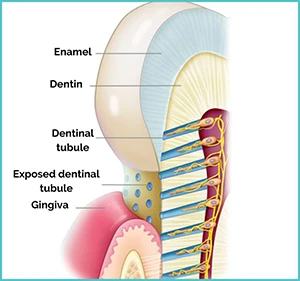
Sensitivity following restorative treatment is often related to the hydrodynamic movement of fluid within dentinal tubules. When dentin is exposed or not fully sealed, external stimuli such as temperature or pressure can trigger nerve responses.
Contributing factors may include:
- Incomplete dentin sealing
- Microleakage at restoration margins
- Deep cavity preparations
- Over-drying dentin during bonding
Managing these factors is key to minimizing patient discomfort.
How Desensitizers Improve Clinical Outcomes
Desensitizing agents work by blocking or reducing fluid movement within dentinal tubules.
Products like Gluma Desensitizer utilize protein coagulation mechanisms to seal tubules, helping reduce sensitivity quickly and effectively.
Similarly, Cargus Dentin Desensitizer provides a reliable option for clinicians seeking to improve patient comfort during restorative procedures.
Key benefits include:
- Reduced post-operative sensitivity
- Improved patient satisfaction
- Additional protection in deep preparations
- Compatibility with many adhesive systems
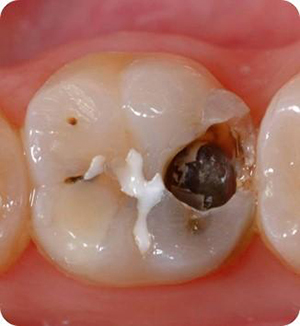
Desensitizers are especially valuable in cases involving exposed dentin or deep preparations where sensitivity risk is higher.
Clinical Applications
Deep Cavity Preparations
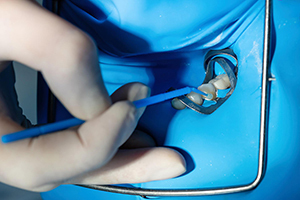
Applying a desensitizer before bonding can help reduce sensitivity in cases where dentin is close to the pulp.
Cervical Lesions
Non-carious cervical lesions often involve exposed dentin and benefit from tubule occlusion prior to restoration.
Post-Crown Preparation
Desensitizers can help improve comfort for patients receiving indirect restorations.
Chairside Tip
Maintaining a controlled and contamination-free environment is essential when applying desensitizers and adhesives.
Many clinicians prefer latex-free nitrile gloves during these procedures to support both infection control and patient safety. DDS Dental Supplies offers options such as:
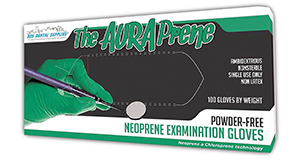
- AurePrene gloves for latex-free environments
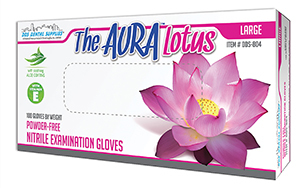
- Aura Lotus gloves for comfort during longer procedures
These gloves are designed to provide consistent protection while supporting clinical precision.
Materials Used in This Technique
Dentists managing dentin sensitivity commonly rely on:
Gluma Desensitizer
https://ddsdentalsupplies.com/gluma-desensitizer/
Cargus Dentin Desensitizer
https://ddsdentalsupplies.com/cargus-dentin-desensitizer-10ml-bottle/
Kerr OptiBond Universal
https://ddsdentalsupplies.com/36519-kerr-dental/?searchid=0&search_query=kerr+optibond+universal
Aura Nitrile Gloves
https://ddsdentalsupplies.com/search.php?section=product&search_query=aura&_bc_fsnf=1&brand=74
Final Thoughts
Post-operative sensitivity can impact patient satisfaction even when restorations are clinically successful. Incorporating desensitizers into restorative protocols provides an additional layer of protection, helping improve comfort and long-term outcomes.
When combined with proper adhesive technique and workflow control, desensitizing agents can play a valuable role in modern restorative dentistry.