
Introduction
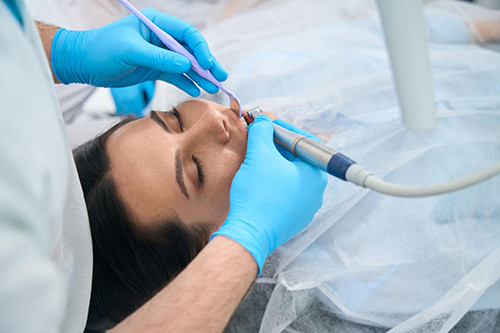
Dental gloves play an important role in both infection control and day-to-day clinical workflow. While barrier protection remains the primary purpose of exam gloves, many clinicians also consider factors such as tactile sensitivity, durability, comfort, and grip depending on the procedures being performed.
As restorative workflows and operatory demands continue to evolve, selecting the appropriate glove type can help improve efficiency and comfort throughout the clinical day.
Clinical Snapshot
Clinical Snapshot: Dental Glove Selection
• Primary Purpose: Barrier protection and infection control
• Key Considerations: Tactile sensitivity, durability, comfort, grip
• Common Materials: Nitrile, latex, vinyl
• Modern Preference: Latex-free nitrile gloves
• Clinical Goal: Balance protection with procedural precision
Why Glove Selection Matters
Different dental procedures place different demands on clinical gloves.
Procedures involving bonding, matrix placement, or restorative contouring may require enhanced tactile sensitivity, while longer hygiene appointments or high-volume workflows may prioritize durability and comfort.
Additional considerations may include:
- Latex sensitivities
- Long wear times
- Wet-hand donning
- Grip during instrument handling
- Resistance to tearing during demanding procedures
Selecting gloves based on workflow needs can help support both efficiency and clinical performance.
Nitrile Gloves in Modern Dentistry
Nitrile gloves have become increasingly popular in dental practices due to their combination of durability, flexibility, and latex-free composition.
Many clinicians prefer nitrile because it offers:
- Strong puncture resistance
- Reliable barrier protection
- Improved compatibility for latex-sensitive environments
- Comfortable fit during extended procedures
Modern nitrile formulations are also designed to improve tactile feel and flexibility compared to earlier generations of gloves.
Clinical Workflow Example

Different procedures may benefit from different glove characteristics, depending on the required levels of precision, grip, and durability throughout the appointment.
Choosing Gloves for Different Procedures
Restorative Dentistry
Procedures involving adhesives, composites, and matrix systems may benefit from gloves with enhanced tactile sensitivity and precise fit.
Hygiene Appointments
Longer wear times and repeated patient turnover may require gloves designed for comfort and durability.
High-Volume Clinical Days
Practices with heavy scheduling often prioritize gloves that balance flexibility with dependable tear resistance.
Latex-Free Environments
Latex-free nitrile gloves remain important for both patient and staff sensitivity considerations.
Chairside Tip
DDS Dental Supplies offers several glove options designed for different clinical workflows:
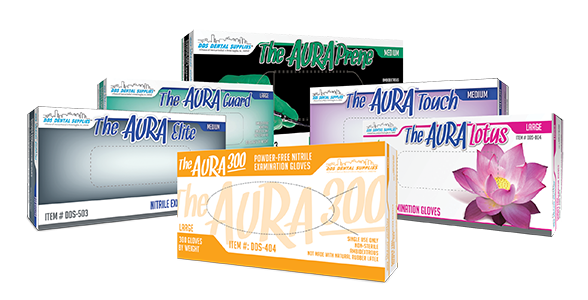
- Aura Elite → enhanced tactile sensitivity for restorative precision
- Aura Guard → increased durability for demanding procedures
- Aura Lotus → aloe + vitamin E comfort coating for extended wear
- Aura 300 → dependable everyday nitrile performance
- AuraPrene → latex-free workflow support
- Aura Touch → copolymer infused technology & tactile sensitivity
Matching glove selection to procedure type can help support both comfort and workflow efficiency throughout the day.
Materials Commonly Used in Modern Operatories
Aura Nitrile Gloves
https://ddsdentalsupplies.com/search.php?section=product&search_query=aura&_bc_fsnf=1&brand=74
DDS Dental Supplies Blog
https://ddsdentalsupplies.com/blog/
Restorative Materials & Clinical Supplies
https://ddsdentalsupplies.com/
Related Articles
- Why Bulk-Fill Composites Are Changing Posterior Restorations
- Sectional Matrix Systems & Predictable Contact Points
- High-Strength Glass Ionomers in Modern Restorative Dentistry
Final Thoughts
Dental gloves continue to play an important role in both infection control and clinical workflow efficiency. As dental procedures vary in complexity and duration, many clinicians select gloves based not only on protection but also on comfort, tactile sensitivity, and durability.
Choosing the right glove for the right procedure can help support smoother workflows and a more comfortable clinical experience throughout the day.